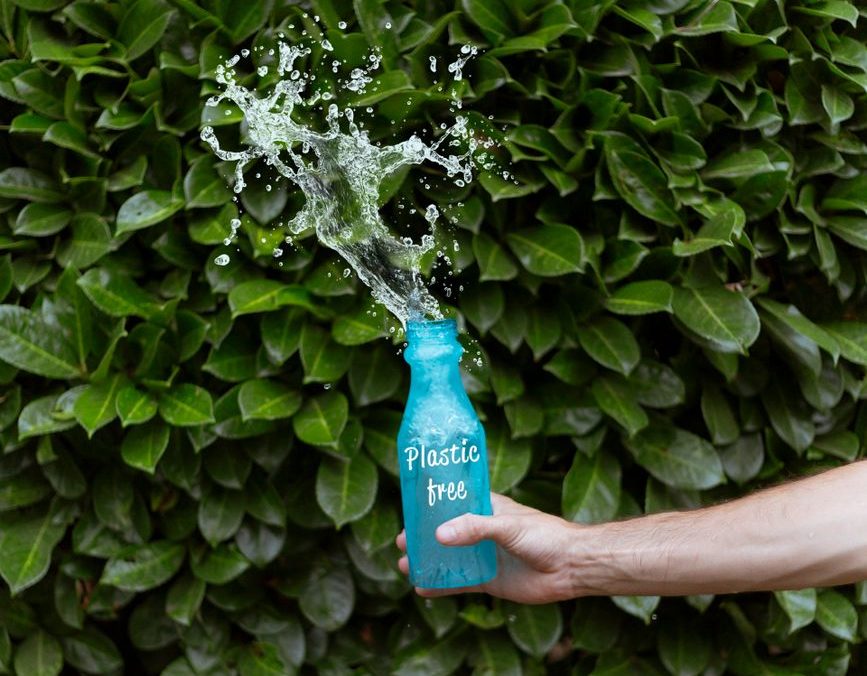
As consumers in Europe, we have all seen labels such as ‘environmentally friendly’, ‘green’, or ‘good for the planet’. They are everywhere on products we buy. The trouble is that they could mean anything.
The EU is now trying to change that. Under the rules of the EU Empowering Consumers for the Green Transition Directive, as of this month, companies will have to back up such claims or remove them altogether.
As someone working in the environmental claims space for over a decade, I can confidently say that this is a welcome change. I can also acknowledge that writing a piece of legislation that bans generic environmental claims is probably the easy part. The more difficult questions are to follow.
Will companies change what they say?
Likely yes. But it could go either way. Companies will ideally be able to provide consumers with information they can easily understand and use when deciding between two similar products. It could also be that, for fear of legal repercussions, some companies will choose to stop communicating environmental improvements altogether.
Will consumers change what they buy?
Assuming that we will have better environmental information on products, does this cause consumers to choose more sustainable products? Or will factors such as price, habit, availability dominate? According to the 2025 edition of the Consumer Conditions Scoreboard, the share of European consumers considering environmental impacts in their purchasing decisions fell in 2024, with 43% factoring them into at least one or two recent purchases — 13 percentage points below 2022.
Will companies change what they do?
The new law is expected to improve the environmental information available at the point of purchase, potentially creating incentives to produce and invest in more sustainable products and thereby delivering positive environmental impacts.
Going forward, when we stand in a supermarket aisle choosing the products we take home, there might be fewer generic environmental claims such as ‘environmentally friendly’ staring back at us. That alone would be progress in terms of making the market more honest. But the real test will be whether more honest environmental claims change not only what companies say, but what we as consumers buy and, ultimately, what companies produce and invest in.

Hi! I’m Ana-Maria, a sustainability professional with more than a decade of experience leading the environmental claims department of a major certification scheme. I am passionate about making sustainability clearer, more practical, and easier to navigate. At Sustainability Reviewer, I cut through the complexity, share practical insights, and explore the questions that matter for a more sustainable future.


Leave a comment